Red Footed Tortoise
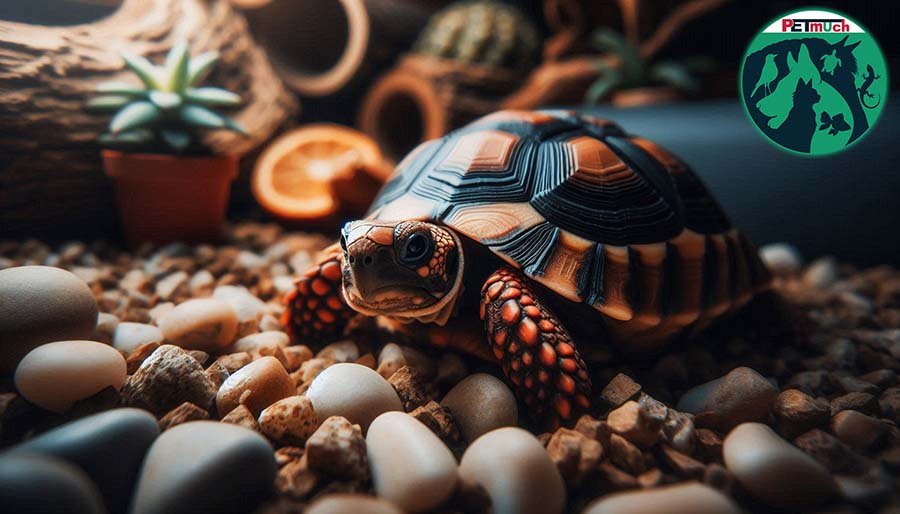
Image from : Image generated by PETmuch with the help of AI tools by professionals with adequate knowledge about Reptiles
Red Footed Tortoise Care Sheet and Facts
Scientific name
Chelonoidis carbonaria
Lifespan
30 to 50 years
Weight
Upto 20 pounds
Length
10 to 14 inches
Ease of Handling
Moderate
Sale price
$270.00 – $900.00
Last Edited On : 05/11/2024 06:49 PM
Timezone : UTC
All About Red-Footed Tortoise
Red Footed tortoises are highly favored by pet enthusiasts for their vibrant coloring, manageable size, and gentle disposition. Native to South America, these tortoises are adapted to tropical environments, making them a great choice for indoor or outdoor habitats in warmer climates. Red Footed tortoises generally live for 30 to 50 years, sometimes longer, with proper care. Adults typically reach a size of 10 to 14 inches in length, though males tend to be slightly larger than females. They have distinct shells with attractive red, orange, or yellow markings that vary between individuals, adding to their appeal.
Originating from forested areas of the Amazon Basin, Red Footed tortoises are well-suited to humid environments with plenty of shade. Prospective owners should be aware of the cost of habitat setup, long-term care, and possible vet expenses, as these factors can add up. Additionally, Red Footed tortoises require specific care in handling: while generally safe around people and children, they can carry bacteria like salmonella. This makes hand washing essential after handling, and children should be supervised. While these tortoises are known for their calm nature, they can give a mild nip if startled.
For those considering adoption, there are a few key factors to weigh, like space for a secure habitat and the cost of supplies. Red Footed tortoises do best in a contained area but can be allowed to roam in safe, monitored spaces. When traveling or relocating, owners should use a well-ventilated, escape-proof portable enclosure to ensure their tortoise’s comfort and safety. Red Footed tortoises are an investment, but with the right setup and care, they can be a rewarding and long-lasting pet.
Advertisement
Red-Footed Tortoise Care Guide
Red Footed tortoises are generally healthy animals but can experience issues like respiratory infections, shell rot, and parasites if their environment is not maintained correctly. Early signs of health problems include lethargy, runny eyes or nose, soft spots on the shell, and changes in appetite. Regular vet checkups and a clean, well-maintained enclosure are essential for preventing these issues. Additionally, they need access to both UVB light and basking spots to support shell and bone health.
In terms of behavior, Red Footed tortoises are relatively docile and enjoy exploring their surroundings. They may even recognize their owners and respond to familiar routines, though they aren’t particularly social. They do not require grooming beyond occasional soaks in lukewarm water to help with hydration and shell health. Owners should monitor for signs of overgrown nails or beak, which may need professional care if they become problematic. A calm, consistent routine will help a Red Footed tortoise thrive.
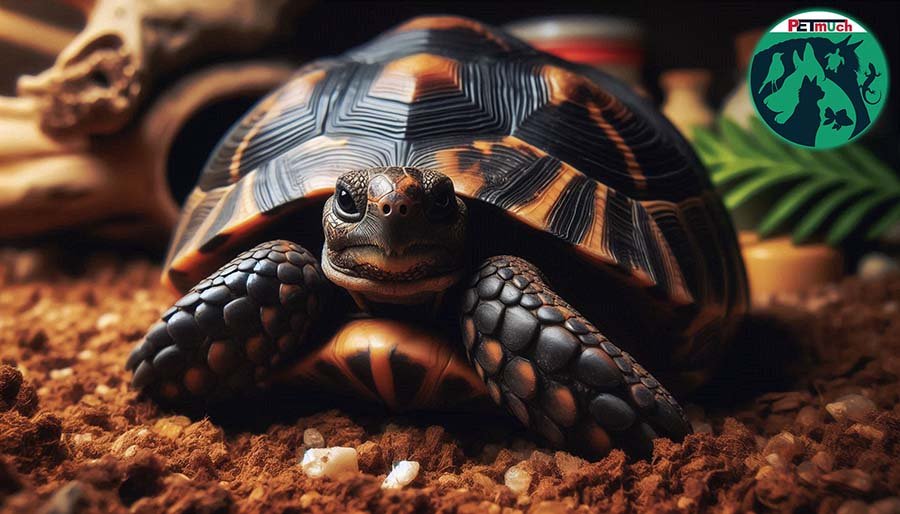
Image from : Image generated by PETmuch with the help of AI tools by professionals with adequate knowledge about Reptiles
Right Diet and Food for Red Footed Tortoise?
Red Footed tortoises have varied dietary needs, consuming a mix of leafy greens, vegetables, fruits, and occasional protein sources. A balanced diet consists of 70% leafy greens like collard greens and dandelion leaves, 20% vegetables like carrots and bell peppers, and 10% fruits such as papaya, mango, or berries. Protein should be given sparingly, around once a week, with options like cooked eggs or occasional earthworms. High-quality tortoise pellets can also be included for variety and convenience, with brands like Mazuri or Zoo Med offering reputable options.
Hydration is vital, and fresh, clean water should always be available. Red Footed tortoises are susceptible to dehydration, so regular soaks in shallow water (once or twice weekly) are recommended. Avoid feeding them spinach, avocado, and citrus fruits, as these can be harmful. It’s also best to steer clear of processed or high-sodium foods, which can disrupt their digestive health. With careful attention to their diet, a Red Footed tortoise can enjoy a well-rounded, nutritious lifestyle.
Advertisement
How to Build a Red Footed Tortoise Habitat?
Setting up an indoor enclosure for a Red Footed tortoise involves creating a space that closely mimics their natural environment. Start with a spacious enclosure of at least 8 square feet, lined with a substrate like cypress mulch or coconut coir that holds moisture well and is safe for burrowing. A humidity level of 60-80% is essential, so misting the enclosure daily and providing a water dish for soaking can help maintain these conditions.
Lighting is crucial; Red Footed tortoises need a UVB bulb for 10-12 hours a day to process calcium and prevent bone issues. In addition to UVB, include a basking area with a temperature around 90°F, while the rest of the enclosure should stay between 75-85°F. Temperatures that drop too low can lead to respiratory problems, so use a thermometer to monitor both basking and ambient areas.
Natural elements like hides, rocks, and branches can make the habitat engaging and give the tortoise places to explore and retreat. Although they can occasionally be allowed to roam in a secured area of the house or garden, this should be done cautiously, as they may encounter hazards or colder temperatures outside their enclosure.
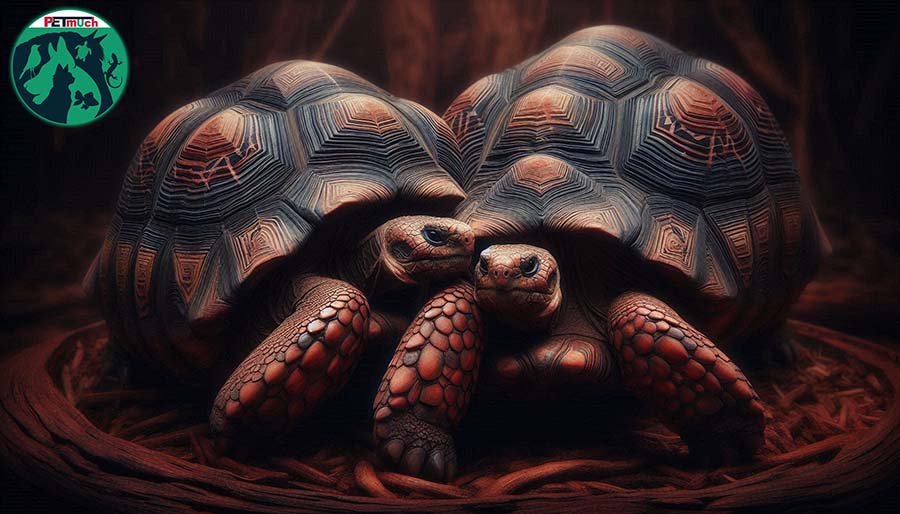
Image from : Image generated by PETmuch with the help of AI tools by professionals with adequate knowledge about Reptiles
Can Red-Footed Tortoises Breed in Captivity?
Breeding Red Footed tortoises in captivity is possible with the right conditions. A large, well-humidified enclosure, extra calcium, and proper nesting material like sand or soil can support egg-laying. Females may lay clutches of 5 to 15 eggs, typically burying them in a chosen spot within the enclosure. Eggs need incubation at around 84°F with 75-85% humidity and will take about 4-6 months to hatch.
Once hatched, baby tortoises are tiny, measuring only a few inches in length. They need a secure and humid environment to thrive and should be kept separate from adults to ensure their safety. A diet rich in calcium is also essential for their early shell and bone development.
Advertisement
How Much Do Red Footed Tortoises Cost?
The cost of a Red Footed tortoise varies depending on location, size, and whether it’s sourced from a breeder or pet store. In the U.S., prices typically range from $270 to $900, with hatchlings on the lower end and larger adults on the higher end. In other countries, like the UK, Canada, and parts of Europe, costs may differ due to import regulations and demand, but similar price ranges can be expected. In places like India and UAE, restrictions may apply, so check local laws before purchasing.
Reputable stores to consider in the U.S. include tortoise-specific breeders or well-known pet retailers. Online shops like Tortoise Supply and Underground Reptiles offer Red Footed tortoises and supplies with shipping options. Remember to always verify the legality of ownership in your region, as some areas restrict or regulate exotic pets, including Red Footed tortoises.








No comments posted yet !